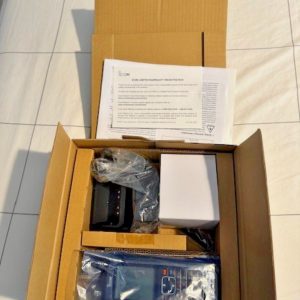
:::writingvariant="document" id="58314" ICOM IC-A25N Handheld NAV/COM Transceiver w/ Bluetooth – Open Box: Versatile Cockpit and Ground Communication The ICOM IC-A25N Handheld NAV/COM Transceiver w/ Bluetooth – Open Box is a versatile communication and navigation device for pilots, flight instructors, aircraft operators, aviation students, and ground personnel who require dependable portable radio capability. An open-box unit can provide excellent commercial value when the radio, battery, antenna, charger, documentation, and included accessories remain complete and in suitable condition. A dependable ICOM IC-A25N Handheld NAV can become an important part of a pilot’s flight bag by providing portable communication capability whenever installed aircraft equipment is unavailable. The ICOM IC-A25N Aviation Radio offers portable flexibility for aircraft owners who do not want to rely exclusively on panel-mounted communication equipment. The compact ICOM IC-A25N Handheld Radio may be especially useful for pilots who operate multiple aircraft or frequently travel between airports and training locations. A capable Handheld NAV/COM Aviation Transceiver provides pilots with an integrated solution that can be stored conveniently and accessed quickly. Whether pilots need a Handheld Aviation Radio, Aviation NAV/COM Radio, Pilot Handheld Radio, or portable Aircraft Communication Radio, the complete package should be inspected and tested. The unit may also serve as a Portable Aviation Transceiver, Aviation Communication Device, Handheld Aircraft Radio, Aviation Navigation Radio, ICOM Pilot Radio, Emergency Aviation Radio, or Backup Aircraft Radio for appropriate aviation applications.
Understanding the ICOM IC-A25N Handheld NAV/COM Transceiver
This handheld transceiver offers pilots a convenient way to carry aviation communication equipment independently of the aircraft’s installed radio system. Pilots often select a feature-rich handheld radio because it supports communication needs without requiring permanent installation or aircraft modification. Portable equipment should be treated as part of a complete communication plan rather than a guaranteed replacement for every installed avionics function. Familiarity transforms a portable radio from stored equipment into a practical and dependable operational resource.Benefits of the ICOM IC-A25N Handheld NAV
An ICOM IC-A25N Handheld NAV may help pilots monitor frequencies, organize flight-related information, and maintain portable communication capability. Flight schools can use portable radios to support classroom discussions, ramp communication, operational demonstrations, and backup planning. Navigation features should support rather than replace required pilot preparation, approved navigation equipment, current charts, and appropriate operational judgment. The radio should be stored securely so it does not interfere with controls, visibility, passengers, or emergency egress.Choosing an ICOM IC-A25N Aviation Radio
An ICOM IC-A25N Aviation Radio can serve pilots who need portable communication for flight operations, aircraft delivery, training, airport coordination, or emergency preparedness. Aircraft sales organizations may keep handheld radios available during demonstrations, repositioning, delivery preparation, and customer familiarization. An open-box product should be evaluated carefully even when it appears unused or lightly handled. The best purchase decision combines condition evidence, package completeness, seller credibility, secure payment, and documented delivery terms.Portable Benefits of the ICOM IC-A25N Handheld Radio
The handheld format allows the radio to move with the pilot between personal, rental, training, business, and club aircraft. Pilots should protect the radio with a suitable case or organized storage compartment to reduce the risk of impact, moisture, connector damage, or accidental control activation. Preflight preparation may include charging, accessory inspection, Bluetooth pairing, memory review, antenna attachment, and volume adjustment. A portable radio should not be left in extreme heat, direct sunlight, freezing conditions, or damp environments for extended periods.Handheld NAV/COM Aviation Transceiver Benefits
A feature-rich handheld transceiver can provide practical support while remaining compact enough for regular flight-bag use. An open-box package may represent strong value when it includes the equipment required for immediate setup and normal use. A handheld transceiver becomes more dependable when it is included in routine preflight preparation rather than checked only during emergencies. An equipment log may be helpful for flight schools, shared aircraft, or aviation businesses where several users handle the same device.Handheld Aviation Radio Applications
Handheld radios provide communication flexibility where panel equipment is unavailable, temporarily unpowered, difficult to access, or assigned to another aircraft. Backup capability may help pilots maintain access to important communication options while managing an abnormal situation appropriately. Radio performance can be affected by aircraft structure, cockpit location, antenna orientation, terrain, buildings, interference, weather, and distance. Pilots must use aviation frequencies responsibly and comply with applicable licensing, authorization, frequency, and communication requirements.Benefits of an Aviation NAV/COM Radio
An Aviation NAV/COM Radio gives pilots portable access to communication and navigation-support features that may complement installed cockpit avionics. The user should understand how to move efficiently between communication and navigation functions without becoming distracted. A handheld device may provide valuable reference information but should not replace required installed equipment or approved procedures where those are necessary. Paired accessories and Bluetooth connections should be tested so unexpected setup issues do not occur during flight.Choosing a Pilot Handheld Radio
Flight instructors may value a handheld unit for monitoring, demonstration, backup, and coordination during ground or flight-training activities. Good cockpit organization reduces workload and prevents backup equipment from becoming difficult to reach when needed. Training may also include using the radio with gloves, in reduced light, with a headset, or in a noisy cockpit environment. A battery that appears charged after long storage may not provide the operating duration expected under real conditions.Aircraft Communication Radio Applications
Portable aircraft radios are useful when installed equipment is unavailable, an aircraft is unpowered, or personnel need communication away from the cockpit. Professional communication practices improve the effectiveness of both installed and handheld radios. Understanding environmental limitations helps pilots choose the best practical location and operating method. The radio should be protected from impact, vibration, liquid exposure, extreme temperature, and damaged accessories.Portable Aviation Transceiver Applications
A compact transceiver may remain available during electrical shutdowns, maintenance events, panel upgrades, or aircraft storage. A protective case can separate the radio from tools, keys, metal objects, liquids, and heavy equipment inside a flight bag. Wireless connectivity may help pilots integrate the radio into a preferred communication setup when paired equipment is supported and configured correctly. Bluetooth settings can be reviewed during preflight preparation and confirmed before the aircraft begins moving.Aviation Communication Device Applications
An Aviation Communication Device should provide clear operation, accessible controls, dependable power, suitable audio, and practical compatibility with the user’s aviation environment. An open box may result from display, return, inspection, testing, damaged packaging, or another non-operational reason. Users should report intermittent operation, damaged accessories, weak batteries, charging concerns, or missing components promptly. Clear labels and quick-reference instructions can reduce setup errors without replacing the complete operating manual.Handheld Aircraft Radio Benefits
The radio’s portable form allows pilots to monitor or communicate without remaining seated at the aircraft instrument panel. Pilots may prepare frequencies and settings before entering the cockpit, reducing setup workload after engine start. A handheld radio should not be placed on an unstable surface where turbulence or maneuvering could send it across the cockpit. Charging ports and connectors should remain dry and free from debris before accessories are attached.Aviation Navigation Radio Benefits
The aviation-focused interface is intended to support pilots who need quick access to practical features in a compact format. Students should receive appropriate instruction so the device supports learning rather than creating misunderstanding or distraction. A handheld radio should not be treated as a substitute for equipment or procedures required by regulation, aircraft approval, or operating conditions. Careful preparation allows an Aviation Navigation Radio to provide practical value without increasing cockpit workload unnecessarily.ICOM Pilot Radio Benefits
Pilots may choose an ICOM Pilot Radio because they want one familiar handheld device for training, travel, cockpit backup, and ground operations. Brand reputation should be considered alongside the condition and completeness of the specific unit being purchased. The correct purchasing decision reflects mission, budget, equipment condition, support needs, and actual operational preferences. Responsible ownership allows an ICOM Pilot get more info Radio to remain a useful communication and navigation resource for many aviation activities.Emergency Aviation Radio Preparedness
The IC-A25N can become part of a broader emergency equipment strategy appropriate to the aircraft, route, environment, and pilot’s needs. Users should practice essential operation under calm conditions so frequency entry and audio adjustment remain manageable under stress. Redundancy is strongest when the user has more than one practical method of hearing and transmitting with the device. Battery packs should be replaced when capacity declines, physical damage appears, charging becomes unreliable, or the manufacturer’s guidance indicates replacement.Backup Aircraft Radio Benefits
A portable radio may also support communication when an aircraft is on the ground with its electrical system disconnected or undergoing avionics maintenance. Pilots should confirm charge status, antenna attachment, audio output, Bluetooth pairing, memory organization, and accessibility. A dedicated flight-bag pocket, protective mount, or secured cockpit storage area may provide suitable access. With thoughtful preparation, a Backup Aircraft Radio can provide valuable confidence without creating unnecessary cockpit complexity.ICOM IC-A25N Open-Box Condition Guide
Buyers should review the radio body for scratches, cracks, missing labels, damaged controls, loose components, or wear around frequently handled areas. Missing accessories can increase final cost and may prevent the radio from being used as expected immediately after delivery. Functional testing should include power-on behavior, charging, control response, display operation, speaker audio, microphone function where appropriately tested, and accessory recognition. Remote transactions should use secure payment, documented terms, careful packaging, shipment tracking, and clear inspection or return conditions.Long-Term Ownership of an ICOM IC-A25N
Long-term reliability depends on battery care, protected storage, correct charging, careful antenna handling, clean connectors, updated familiarity, and prompt attention to operating concerns. Inspection frequency may need to increase when the device is shared, carried daily, used outdoors, exposed to maintenance environments, or stored in an aircraft.- Review the complete package and remove the radio from backup service if physical or electronic condition is uncertain.
- Review essential controls on the ground so the radio can be operated confidently without unnecessary cockpit distraction.
- Charge and store the battery according to appropriate guidance while keeping all accessories labeled and together.